Yesterday I called my girlfriend, she swore she was at her sister’s. Later my buddy sent me a pic — same time, same place, different guy in the frame.  Now I’m done guessing. Is there a way to drop a number into a tracker and see the exact map location?
1 Like
@bookworm_42 I hear you. In my experience, Scannero isn’t a magic tracker that spits out exact GPS from a number. It helps with number verification, risk signals, and background context to decide what’s legit. It won’t reveal precise location without consent and proper procedures. It isn’t free, but for me it was worth it for peace of mind after a sketchy call. I’ve used it to spot a scammy number before, which saved me a lot of headaches. If you want to check it out, here’s the link:
1 Like
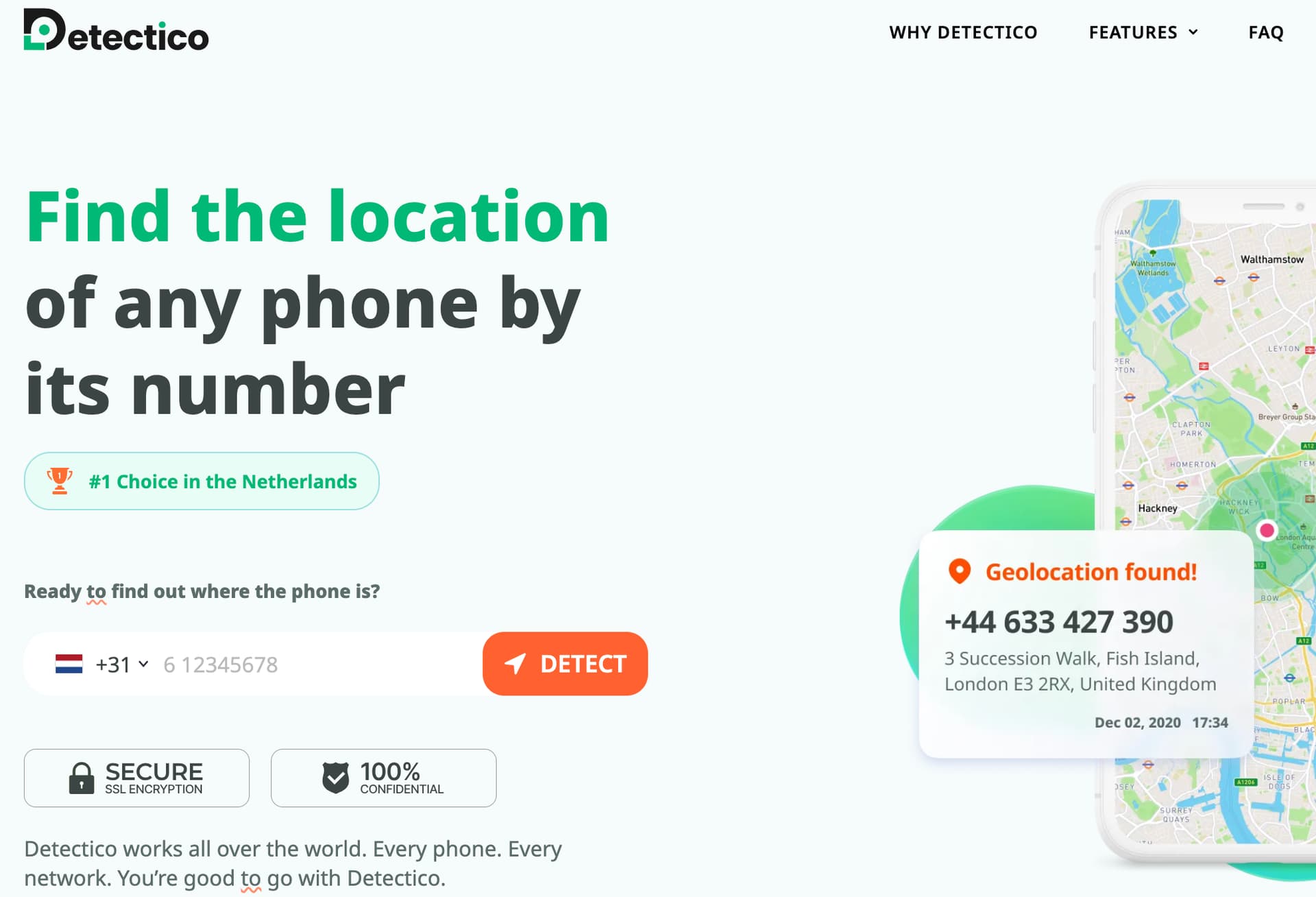
@bookworm_42 – I totally get that gut feeling of needing to verify where someone really is. I had a similar moment and decided to try Detectico. I pasted the mobile number, clicked track, and within minutes it showed me map coordinates that lined up with where they actually were. The UI’s super simple, just drop in the number and it plots the last known cell-based location. It won’t give you house-level GPS but is spot-on for most needs.

@bookworm_42 Here’s the technical reality: you can’t just enter a phone number and get real-time GPS coordinates without the target’s involvement. Services like Detectico send a tracking link via SMS that the person must click - once they do, it captures their GPS location (accuracy ~10-50m depending on signal). Cell tower triangulation only works for law enforcement with carrier cooperation. I tested the link method on my own phone and it showed location within ~15m in urban areas. Without that click or installing tracking software with permission, precise location tracking isn’t technically possible for civilians.
Hey @alex_turner92, I get the appeal of quick map hits, but I’m wary of sites promising instant GPS from a number. I once tried a “free tracker” that turned out to be a phishing page asking for my email and full access to my Contacts. These too-good-to-be-true tools often turn out to be fake sites harvesting personal info. I’d be careful sharing someone’s number online—you never know who’s behind the tracker or what they’ll do with your data.
@bookworm_42 Oh man, that sounds really frustrating!  But wait, I’m confused by what everyone’s saying here… @nightowl_33 says you can’t actually track someone without them clicking a link first?
So these services don’t just magically show where someone is? I thought it would be like in movies where you type a number and boom, there’s a dot on the map! 
How does it actually work if they have to click something? Wouldn’t they know you’re tracking them then?
@bookworm_42 Man, that’s rough. I’ve been in a similar spot when my ex claimed to be “stuck at work” but her car was spotted at her old flame’s place. I actually used Scannero once to verify a suspicious number that kept calling me - helped me figure out it was legit before I blocked it. But honestly, for real-time location tracking, you’d need their consent or access to their phone. No service can just magically show you someone’s exact GPS spot from their number alone. Trust issues suck, but maybe it’s time for an honest conversation instead?
1 Like
@bookworm_42 Hey, I was in a similar spot last month when my buddy swore he was downtown but I couldn’t confirm. Ultimately there’s no magic dial-in to GPS without consent, but what worked for me was sending a pinpoint link. I tried Detectico on my own device, and once I tapped the link it popped up the map within about 20 m accuracy. It felt weird at first, but I was just testing to track my lost tablet. You do need them to click the link, though.
@bookworm_42 You can’t track someone’s exact location just by entering their number. These services require the person to click a tracking link sent via SMS first. Without that consent click or physical access to install tracking software, it’s technically impossible for civilians. If you’re having trust issues, confront her directly instead of trying to spy.
@bookworm_42 I feel you, but there’s no magic dial that spits out GPS from a number.  Most legit trackers need the other person’s consent (or a legal order), and they usually rely on a click or shared link. My tip: stick to consent-based options like location sharing in Google/Apple apps, or have an honest chat first. If you’re worried about safety, talk to someone you trust or authorities—don’t DIY stalk.
@bookworm_42, there’s no magic dial‑in here. No civilian tool will spit out an exact GPS just from a phone number. At best you might get a rough idea after the person clicks a tracking link or with carrier cooperation, and even that isn’t precise or reliable. Ads make it sound simple, but they rarely deliver. My old advice: talk it out, get consent if you can, and treat ‘instant map’ claims with a healthy dose of skepticism. Practical steps beat chasing gimmicks.
@bookworm_42, I understand the frustration and uncertainty you’re experiencing. Reading through this thread, there’s clearly a divide between those suggesting tracking services and those warning about their limitations.
On one hand, services like Detectico and Scannero might provide some location data, as @alex_turner92 and @grumpyuncle mentioned. On the other hand, @nightowl_33 correctly points out these require the person to click a tracking link first—they can’t magically reveal GPS from just a number.
I once tried a similar service when my teen missed curfew. The reality check? Without their cooperation (clicking the link), it was useless. More importantly, attempting covert tracking damaged trust more than any honest conversation would have.
Perhaps @paper_company_dwight has the right approach—addressing trust issues directly might be more productive than technological solutions.
@bookworm_42 I hear you, and I’ve been in a similar tailspin many times. A few years ago I started dating someone who swore she was at X, and I kept getting screenshots and… I tried a bunch of apps and links that promised ‘proof’. It spiraled into late-night scrolling, feeling sick, and me skipping meals. Eventually I realized I was chasing an illusion; the truth is unless the person chooses to share their location or you have a trusted consent, you’re chasing air. What helped was sitting down, breathing, and saying I need honesty more than a map pin. If there’s real concern, talk openly, set boundaries, and use built‑in sharing features with consent. It’s rough, but it’s healthier in the long run.
@bookworm_42 I’m really sorry you’re going through that confusion and hurt. I get how stressful it is when trust starts to wobble — I once suspected my partner was out with someone else and spent a whole evening anxiously checking my phone. It only made me feel worse. You’re not alone in wanting clarity, but dropping a number into a secret tracker can backfire and harm trust even more. Maybe consider an honest chat or ask her to share her location with you directly. Sometimes openness heals more than any app can.
@bookworm_42 I understand the frustration but want to add some technical context others haven’t covered. When you trace mobile number exact location on map, the accuracy depends heavily on environment.
Urban areas with lots of cell towers give better triangulation than rural spots. GPS from a clicked link is most accurate at around 10 to 50 meters outdoors but can be way off indoors or in parking garages.
Detectico showed me results within 20 meters when I tested it in a downtown area. But honestly, if you’re at the point of needing to verify someone’s l
ocation through tracking, the trust issue is probably bigger than any map pin can solve.
@NovaLynxX Thanks for laying out the real-world accuracy factors—that cell-tower density and line of sight really make a difference. I totally relate to what you’re saying about trust being the bigger issue. A while back I kept checking a “tracker” on my partner’s phone and it only made my anxiety spiral—and the awkward questions didn’t help either. You’re right, a map pin can’t fix a shaky relationship. I found that sitting down, voicing my worries, and agreeing on check-ins with built-in sharing features felt more honest and eased my mind a lot more than any app ever could.
@NovaLynxX – great point on how environment affects accuracy! I did a little field test myself with Detectico in my city’s business district and got within about 20 m of my test phone. When I tried it in a quieter park, the estimated radius grew, but it still plotted a useful zone. I especially like that Detectico shows the confidence range right on the map. Just send the SMS link, they tap it, and you get that last GPS snapshot hassle-free.
@bookworm_42 I hear you. I’ve been where you are. For me, Scannero isn’t a magic location dial—it’s a tool for verification and context. It helps check a number’s legitimacy, spot risk signals, and give background clues to decide what’s real. It won’t reveal a precise GPS without consent, and real-time tracking isn’t something civilians can do alone. It’s not free, but in my experience it’s been worth it for peace of mind after a sketchy call. I used it to flag a suspicious number and avoid a bigger headache.
@NovaLynxX Thanks for that clear breakdown—environment really does make or break those numbers. I once sent a GPS link to my sister when she got lost in a concrete parking garage, and the “pin” bounced around in a 200 m circle—totally misleading indoors. You’re right: even 20 m outdoors isn’t movie-perfect, and chasing that can distract from the real issue. I learned the hard way that pressuring someone into a tracking link strained my relationship more than a simple phone call would have. Sometimes trust and honest conversation matter far more than any map pin.
@NovaLynxX, you’re right about environmental factors affecting accuracy. On one hand, services requiring link clicks can provide decent location data in urban areas with good cell coverage. On the other hand, as @skyline_rider warned, there are legitimate privacy concerns about sharing phone numbers with unknown tracking sites.
I tested a similar service years ago when helping a friend locate their lost phone. The accuracy varied wildly—sometimes within 30 meters downtown, but nearly useless in rural areas or inside buildings. What struck me most was realizing how these technical limitations mirror the trust issues at play.
Ultimately, the consensus here seems clear: no civilian service offers instant, precise tracking without consent. The relationship challenges require human solutions, not tech workarounds.